


World Class Soccer In 2026: The Commercial Vehicles Behind the Events

World Class Soccer In 2026: The Commercial Vehicles Behind the Events
Major events, from global tournaments to neighborhood traditions, depend on the work trucks and vans that keep everything moving. In our “Work Trucks in the Wild” series, we spotlight the commercial vehicles behind the scenes, powering the moments fans never forget.
World-Class Soccer: A Fleet Operation on a Global Scale
The global soccer tournament taking place this summer is one of the largest sporting events on the planet, and behind the spectacle on the pitch is a massive logistics engine powered by commercial vehicles. Stadiums must be built, fan zones supplied, teams transported, and millions of visitors fed and kept safe. It’s a global celebration, but the work happens at street level.
Construction & Infrastructure
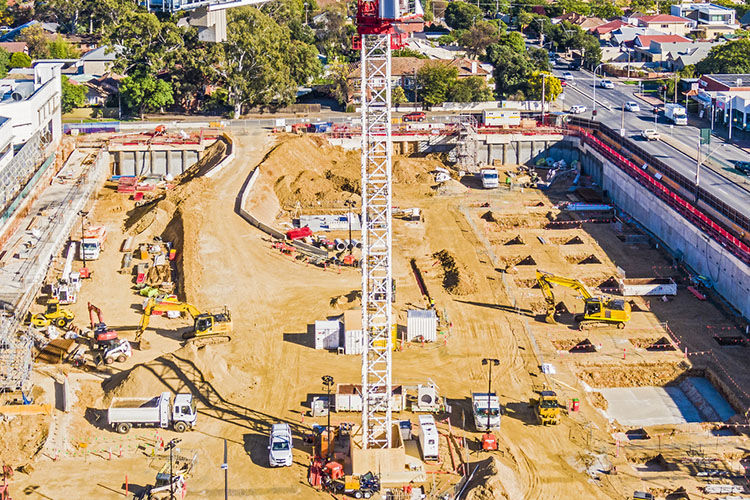
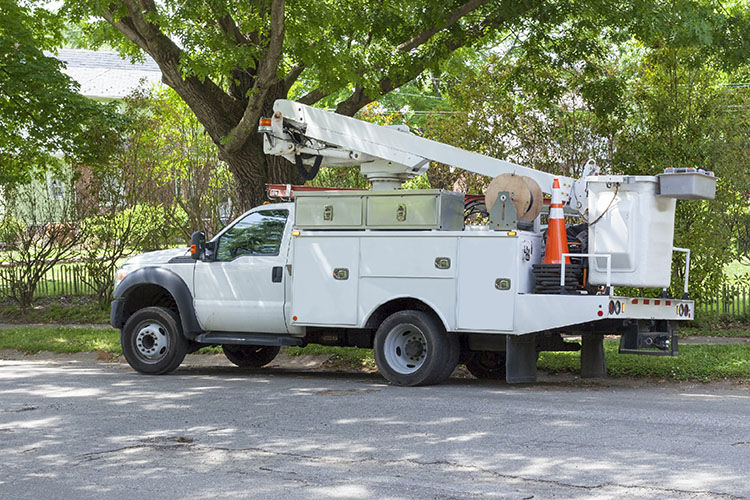
Long before the first whistle, host cities spend years preparing venues and surrounding infrastructure. That work is driven by work trucks moving materials in and out of construction zones. Dump trucks haul soil, aggregate, and demolition debris as stadiums are expanded or upgraded. Heavy-Duty flatbeds carry steel beams, turf rolls, scaffolding, and modular seating. Contractor fleets rely on pickup trucks to shuttle tools, generators, and crews between job sites. And service‑body trucks keep electricians, welders, HVAC techs, and maintenance teams on the move.
Keeping Fans Safe

Once the tournament begins, safety becomes a rolling operation of its own. Medical teams rely on ambulances, high‑roof vans, and box vans outfitted as mobile treatment stations, while supply carriers move equipment between first‑aid posts. Security fleets use SUVs and patrol trucks to manage traffic and secure stadium perimeters. Even flatbeds get involved, transporting barricades, fencing, and other crowd‑control equipment.
Feeding Millions
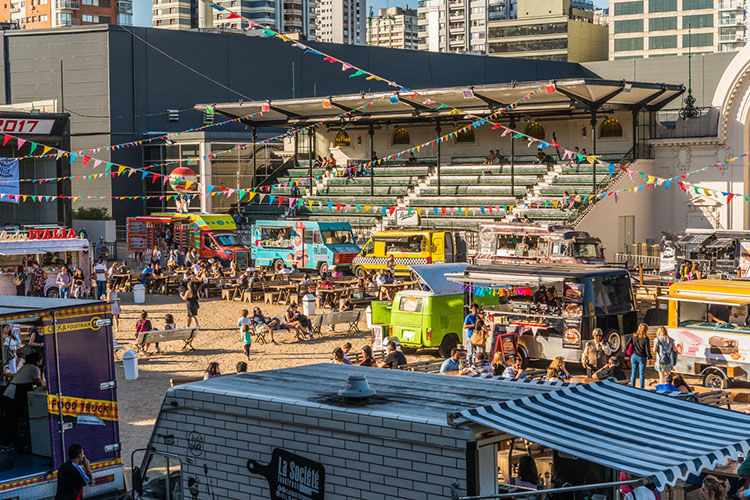
A single match can draw 60,000 to 80,000 fans, and feeding them requires a nonstop flow of food, beverages, and merchandise. Refrigerated box trucks keep the cold chain intact as perishables move from regional warehouses to stadium kitchens. Step vans resupply concession stands throughout the day, while food trucks anchor fan zones and festival areas. On the merchandise side, cargo vans and parcel‑delivery vehicles handle apparel and souvenir distribution, and mid‑size box trucks move bulk shipments between storage hubs and venues.
Cleaning & Sustainability
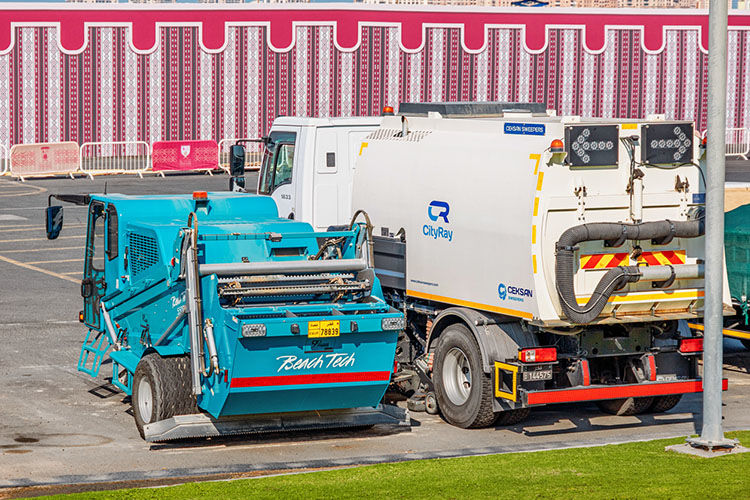
When the final whistle blows, another fleet rolls in. During the event, massive volumes of waste, recyclables, and post‑event debris are generated, all of which must be cleared quickly to reset venues for the next match. Dump trucks haul waste and recyclables, while street sweepers clear stadium perimeters and fan zones. Utility vans support janitorial and maintenance crews as they work through the night. Increasingly, sustainability fleets are part of the mix — CNG refuse trucks for lower‑emission collection and electric cargo vans for recycling teams.
Broadcast, Media & Technology
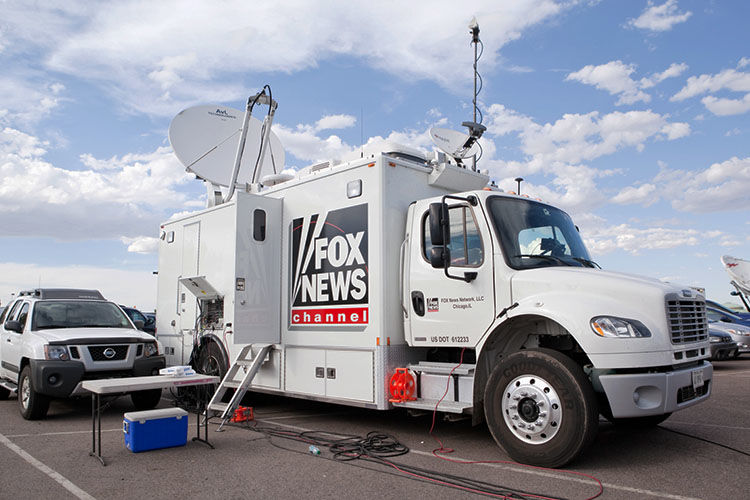
A global broadcast that reaches billions depends on a different kind of fleet. Specialized trucks act as mobile studios, while high-roof stretched vans carry camera crews and field technicians. Box trucks deliver lighting rigs, cables, staging, and other technical equipment. Telecom teams rely on service vans to install fiber, 5G nodes, and temporary connectivity infrastructure, supported by generator trucks that provide backup power for broadcast and stadium systems.
Moving People & Gear
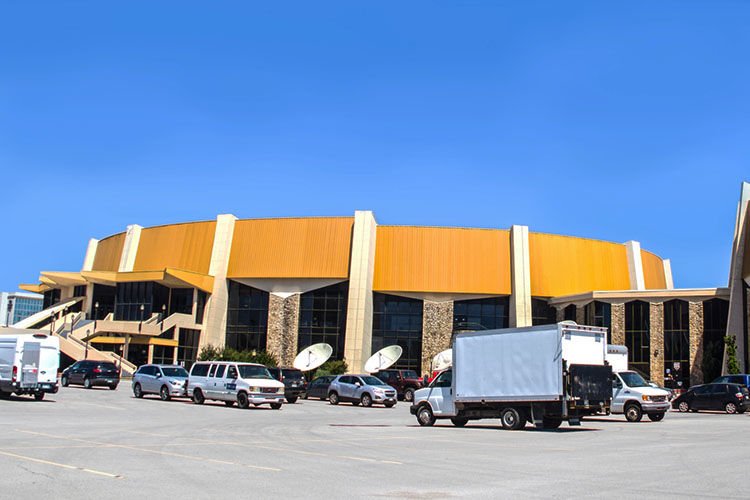
Finally, there’s the constant movement of teams, officials, media crews, and equipment. Passenger vans and mini‑buses shuttle people between hotels, training sites, and stadiums. Gear‑hauling duties fall to 1‑ton pickups and enclosed trailers carrying everything from uniforms to hydration systems. It’s a quiet but essential operation that keeps the matches running on schedule.
Bringing It All Together
From global logistics partners to neighborhood contractors, these global events run on an enormous ecosystem of commercial vehicles. Every pickup, van, flatbed, and box truck plays a part in transforming host cities into world‑class venues ready for millions of fans. The entire spectacle is made possible, in part, by the same types of work trucks that keep our communities moving every day.
.jpeg) Summer Fleet Maintenance Checklist 2026: What's Changed and Why It Matters
Summer Fleet Maintenance Checklist 2026: What's Changed and Why It Matters Investing in the Hands—and Minds—That Build America
 Work Truck Week 2026: A Shift You Could Feel
 Seasonal Construction Cycles and What They Mean for the Trucks Your Crews Need
 Driving Business Growth Through Financial Flexibility: How You Buy Your Truck Matters
.jpeg)


