


Aftermarket Warranties for Commercial Vehicles: Mitigating Downtime and Preserving Profits

Aftermarket Warranties for Commercial Vehicles: Mitigating Downtime and Preserving Profits
For small business owners and commercial fleet managers, every work truck and van is a vital, indispensable asset. They require substantial capital investment to put into service and must pay off over the long haul. For many businesses, commercial vehicles are the engine of profitability—as long as they are on the road. In other words, although the initial purchase price may be high, the bigger financial threat is the ramifications of downtime.
Unexpected breakdowns can halt operations, jeopardize client relationships, and drain working capital in an instant. For both new vehicles moving out of their factory coverage and, critically, used vehicles entering the next phase of their life, a reliable Vehicle Service Contract (VSC) or aftermarket warranty is a mandatory form of financial protection and an effective risk management tool.
The Inevitability of Breakdown and Financial Peace of Mind
The sustained demands put on the mechanical and electrical systems of commercial vehicles mean that component failures are frequently a matter of when and how bad, not if. High mileage, heavy loads, and grueling operating schedules take their inevitable toll on complex systems. For business owners, a VSC safeguards this massive capital investment by insulating the balance sheet from unpredictable repair expenses.
By transferring the risk of catastrophic repair costs from your operational budget to the insurance provider, these warranties deliver genuine peace of mind. Instead of facing a paralyzing decision due to a five-figure repair, managers can focus their energy on core operations, knowing a structured plan is in place to minimize financial disruption. Contrast the manageable, budgeted cost of a VSC premium with the immediate, unpredictable shock of a major engine, transmission, or axle repair—which can easily run into the tens of thousands of dollars. The warranty is the cost of stability.
The Rising Severity of Modern Vehicle Repairs
In recent decades, commercial equipment has undergone a profound technological shift. Today’s trucks are rolling computer networks that rely heavily on sophisticated electronics, integrated telematics, and high-pressure fuel systems. This complexity means that when failures occur, they are often more severe, requiring specialized, expensive diagnostic equipment, labor, and dealer-only parts, leading to significantly higher bills and longer downtimes.
Even more common components, such as Diesel Particulate Filters (DPF), Selective Catalytic Reduction (SCR), and Diesel Exhaust Fluid (DEF) systems, collectively known as aftertreatment systems, are high-cost, high-failure items. When these systems fail, the resulting repair is notoriously expensive and time-consuming.
Integrity in Coverage: Choosing the Right Partner
When a truck goes down, the priority is minimizing the downtime clock. It is wise to shop for coverage with a provider that has proven its integrity in the complex commercial vehicle space. Since a warranty is only as good as the company that backs it, small business owners must vet their VSC partner carefully.
Look for a company demonstrating:
- Strong, established partnerships across dealers, repair facilities, and truck stops.
- Financial stability and extensive experience in commercial rather than consumer-grade vehicle coverage.
- A clear, transparent, and responsive claims process.
The Integrity Test: Claims Philosophy
It could be argued that the most critical factor in choosing a VSC provider is their fundamental claims philosophy. Nothing could be more relevant when your vehicle is sidelined.
Lynn Murphy, co-founder and CEO of TruckSuite, relates an audit comparison that demonstrated how differences in company attitudes can manifest.
“A comparison, years ago, of our group versus our largest competitor was startling,” explained Murphy. “While our revenues were twice what theirs were, our net profits were similar. An audit revealed reasons for this result; we paid millions more dollars in claims than even their revenues. We were looking for reasons to pay claims while they were looking for reasons to deny them.”
This startling finding underscores that a provider focused on integrity understands that paying valid claims is an investment in the customer's profitability and the company’s long-term trust, not merely an expense.
Conclusion
An aftermarket warranty for your new or used commercial vehicle is not merely a hedge against uncertainty; it is an essential tool for business stability. In an industry defined by high costs and increasing technical complexity, a VSC helps protect your operating budget from sudden shocks.
The right policy is an investment in your fleet's continuous operation and, ultimately, your business’s profitability. When choosing a provider, focusing on a proven history of integrity, strong industry partnerships, and claims philosophy is even more important than the price tag.
Do your due diligence, review the policy details thoroughly, and choose a partner whose commitment to doing the right thing aligns with your own long-term business goals.
 About the author: An industry veteran with more than 25 years in the automotive market, Steve Henning is Vice President, Marketing at Work Truck Solutions. Most recently, Steve has been focused on partnering with members of the commercial vehicle ecosystem to provide solutions that help B2B customers efficiently find and purchase vehicles that meet their specific use cases.
Steve has been featured in numerous publications, as well as on podcasts and at events including CBT News, Comvoy, F&I Magazine, YouTube, Work Truck Online, and the Commercial Vehicle Business Network. Connect with Steve on his LinkedIn page.
 Scholarships and Grants for the Skilled Trades: A Practical Guide
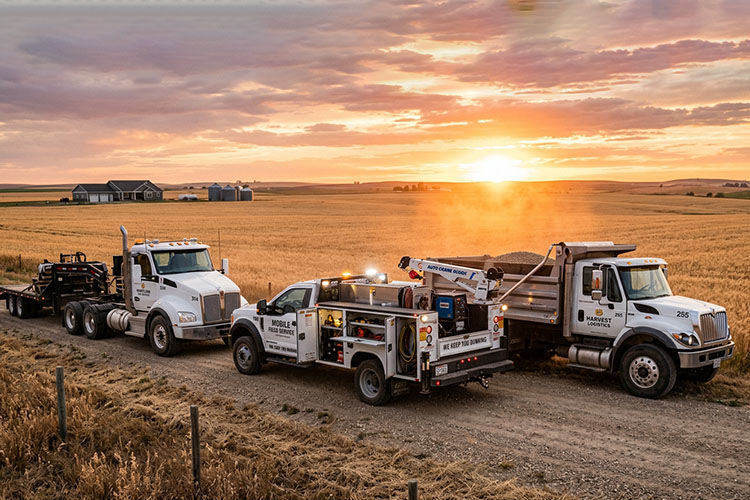 Essential Work Trucks and Upfits for Agriculture
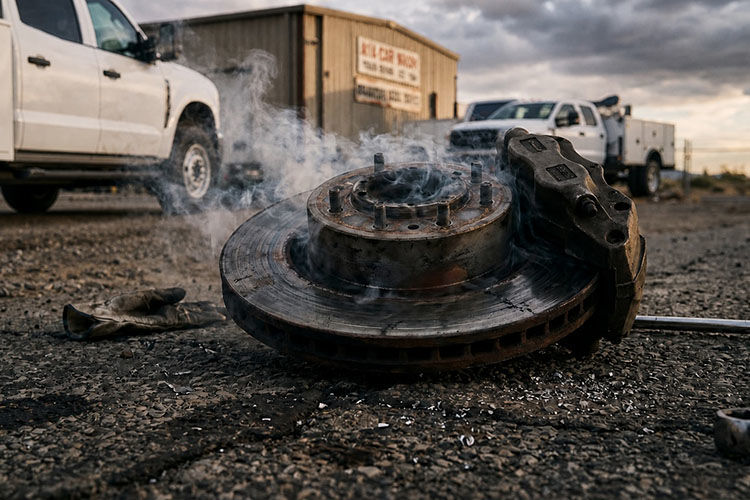 Braking Bad: How Minor Maintenance Gaps Can Total Your Fleet’s Safety and Compliance
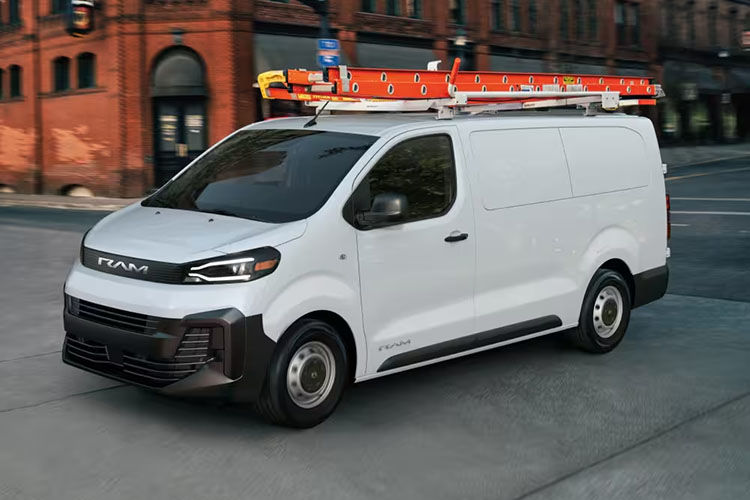 Ram ProMaster City Returns To Fill the Mid-Size Work Van Vacuum
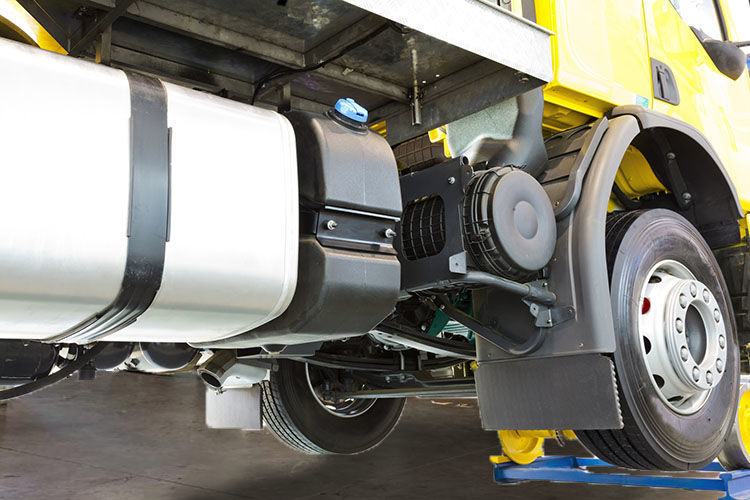 Your 2027 DPF Strategy: Compliance, Cash, and a Bonus


